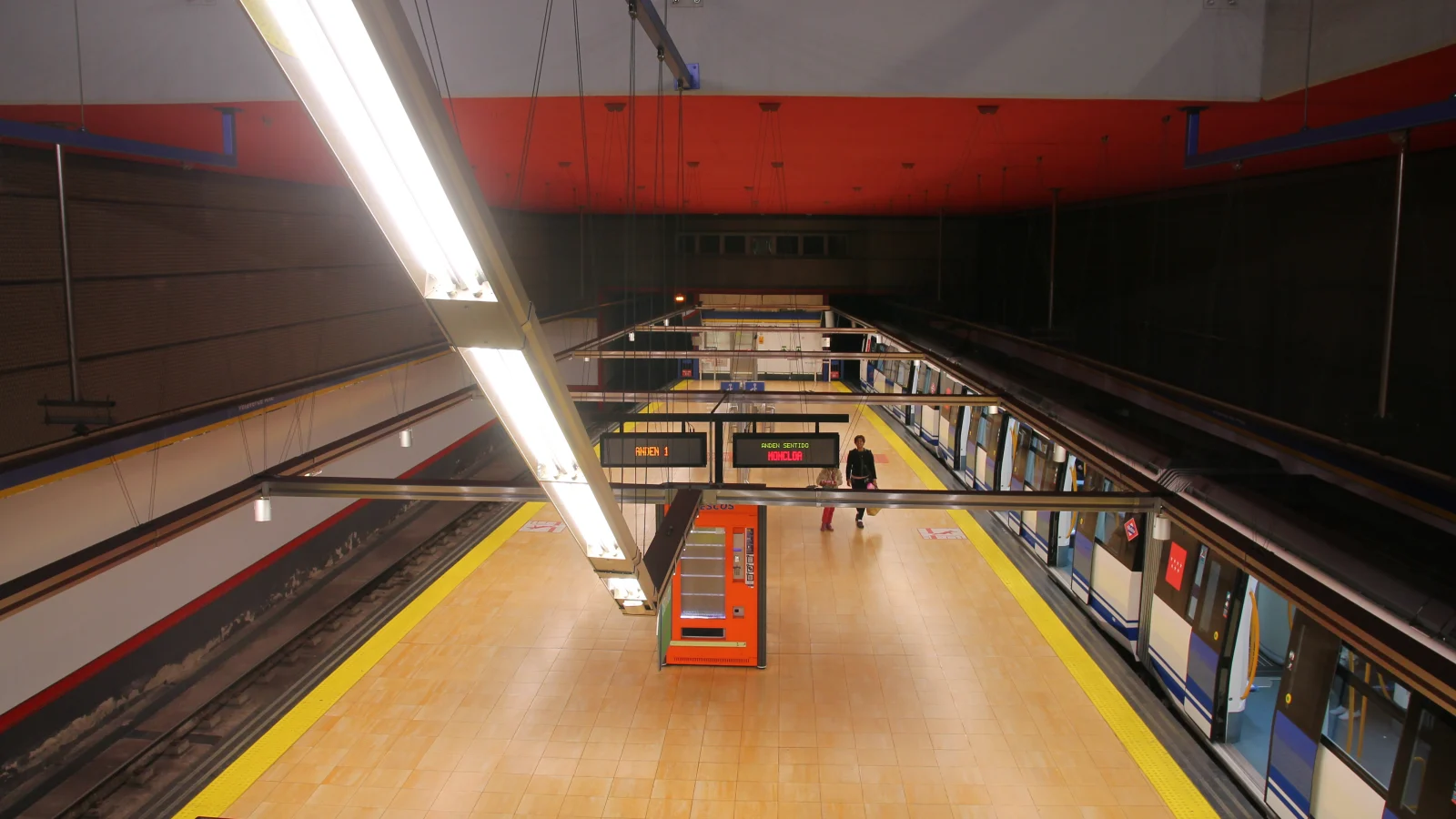
More than 5.784 billion passengers used public transport in Spain during 2025, an increase of 3.7% over the previous year.
Growth demonstrates that metro, bus, tram and rail systems are not only environmental tools. They provide essential access to employment, education, commerce and urban services.
Frequency matters more than slogans
A network becomes attractive through frequency, punctuality, safety and simple connections. Travellers measure the complete journey, including waiting, transfers and the distance to a stop.
Urban expansion without sufficient transport increases car dependency and limits opportunities for people who do not drive.
Integrated tickets and information
Fare integration allows passengers to combine modes without navigating separate payment systems. Applications can report delays, occupancy and accessible routes, but they must complement reliable service rather than disguise its weaknesses.
Investment that changes neighbourhoods
Good transport expands the labour market, improves access to businesses and reduces parking pressure. Planning should coordinate housing, stations, pedestrian space and last-mile mobility.
A competitive city is not one that forces residents to travel farther, but one that allows predictable and comfortable access.