Renewable sources accounted for 55.5% of Spanish electricity generation in 2025. When estimated self-consumption is included, the share rises to 56.6%, while renewable production exceeded 150.8 TWh.
Spain has demonstrated its ability to install large amounts of solar and wind capacity. The next phase is more difficult: integrating that production in a stable, useful and economically efficient system.
The grid moves to the centre
Solar production is concentrated in particular hours while demand follows a different pattern. Better use of energy requires modern networks, interconnection, digital control and the ability to shift consumption.
A renewable plant that cannot export its production, or a home installation delayed by administration, cannot provide its full value.
Storage and self-consumption
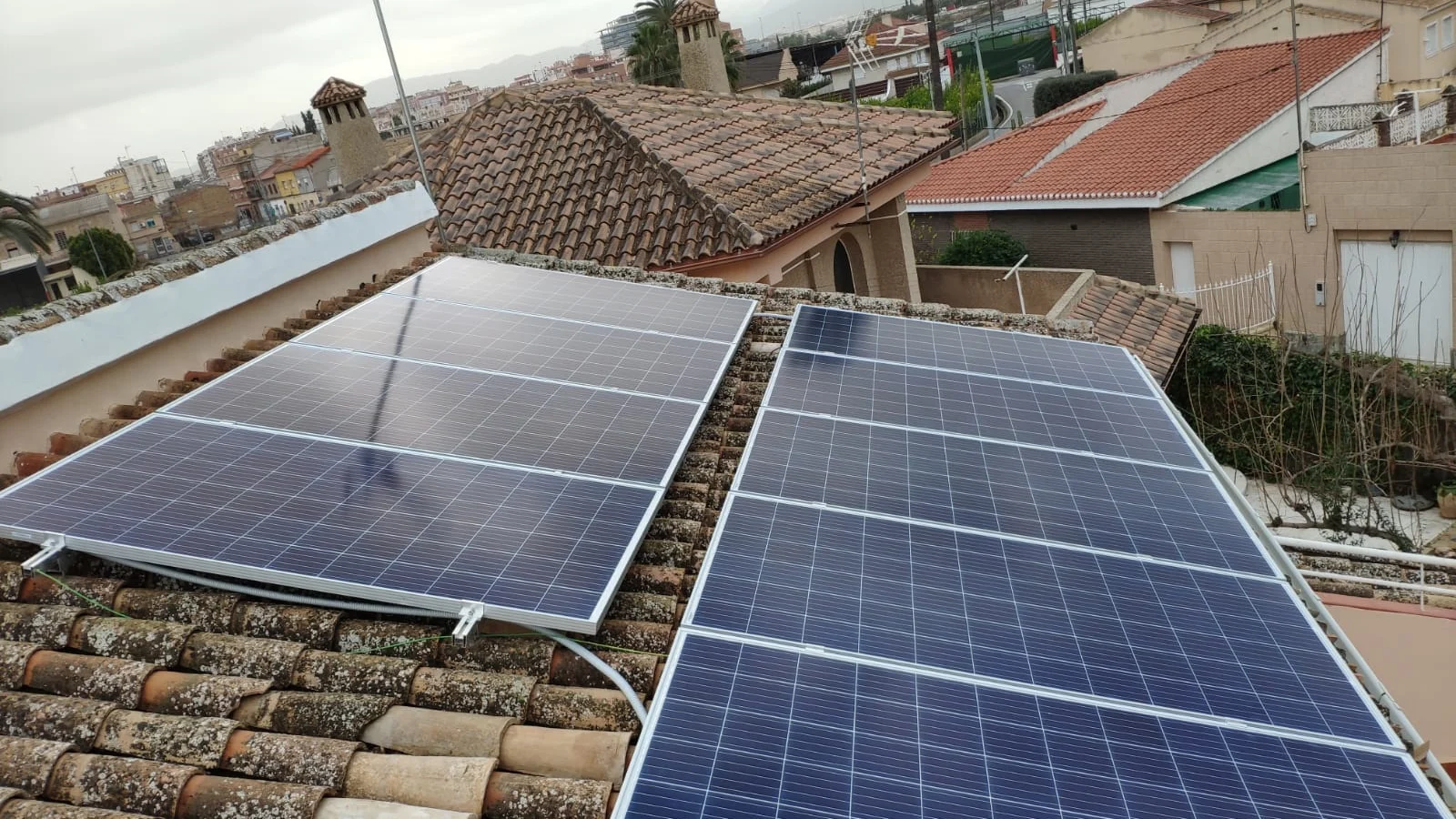
Batteries, pumped hydro and intelligent electric-vehicle charging can reduce imbalances. For homes and companies, self-consumption places generation close to where electricity is used.
Design quality matters as much as installed power. Orientation, consumption profiles, shading, batteries and control should be evaluated as one system.
Energy as an industrial advantage
Cleaner electricity can support data centres, industry, electric mobility and hydrogen production. Success will depend on predictable permits, infrastructure and planning that connects generation with genuine demand.
Editorial sources
Photograph: Marta Victoria · CC BY-SA 4.0 · Wikimedia Commons