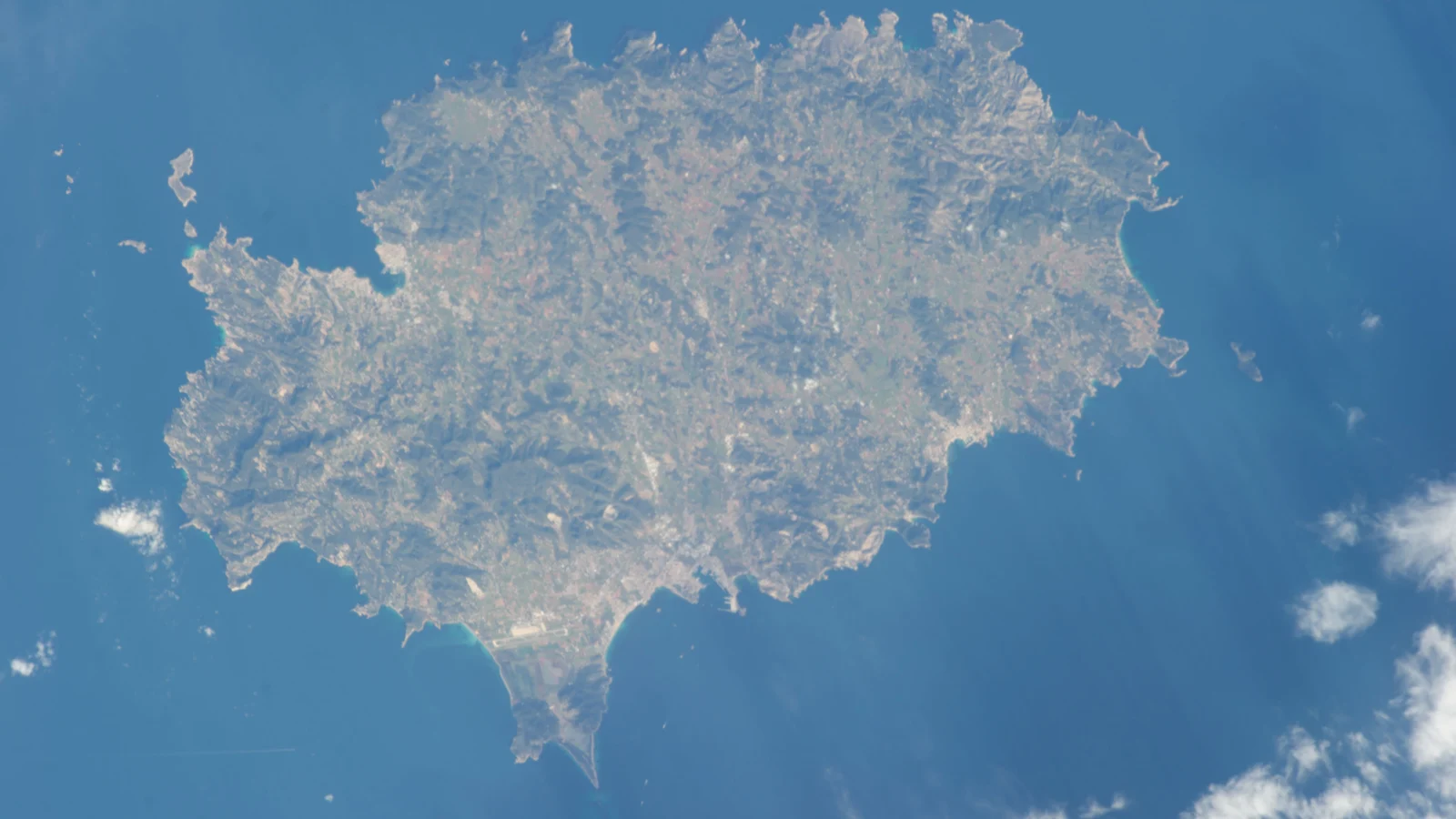
Spain welcomed 96.8 million international tourists during 2025, an increase of 3.2% over the previous year. Total expenditure reached €134.712 billion, rising by 6.8%.
The figures confirm Spain’s position as a leading global destination. They also show that the next challenge is not simply attracting more visitors, but managing the value, distribution and impact of demand more effectively.
From volume to quality
A sustainable destination must avoid concentrating activity in the same neighbourhoods, beaches and months. Promoting less familiar areas, cultural travel, gastronomy and off-season stays can distribute benefits more widely.
Expenditure grew faster than visitor numbers. This creates an opportunity to prioritise better experiences rather than relying only on greater volume.
Infrastructure and coexistence
Tourism places pressure on transport, cleaning, water, housing and public services. A professional response requires real-time information, efficient mobility and clear rules for visitors, accommodation providers and businesses.
Good tourism policy should not place visitors and residents in opposition. Economic activity should improve urban space rather than reduce local quality of life.
An opportunity for local businesses
Independent companies can benefit from multilingual information, transparent reservations, digital reputation and authentic local proposals. The future of Spanish tourism will depend on how much value remains in each destination and on the quality of the experience delivered.